May 8, 2026
Why Mold Grows So Easily in Dallas Homes (And What Homeowners Can Do About It)

Texas homes deal with mold more than most of the country, and it is not bad luck. It is climate, construction, and storm patterns all working against homeowners at the same time. High humidity creates the moisture mold needs to grow. Slab foundations hide plumbing leaks for months. Storm seasons deliver water intrusion faster than most homes can dry out. And modern energy-efficient construction traps all of that moisture indoors.
If you have found mold in your Dallas home, or keep finding it in the same spot after cleaning, this article explains exactly why that keeps happening.
The Texas Climate Problem
Mold needs three things to grow: a food source, the right temperature, and moisture. Texas supplies moisture in abundance. The DFW metro regularly hits 60 to 70 percent relative humidity through summer, and the IICRC S520 standard for professional mold remediation identifies indoor humidity above 60 percent as a threshold where mold growth becomes likely on organic building materials.
The problem is that air conditioning helps with temperature but does not always control humidity effectively. An undersized, aging, or poorly maintained AC system can keep your home cool while indoor humidity stays high enough for mold to grow quietly in wall cavities, attic spaces, and behind bathroom fixtures.
Dallas also does not get a real dry season. While winters are cooler, indoor humidity stays elevated in tightly sealed homes year-round. Bathrooms, kitchens, and laundry rooms are high-moisture zones in every season.
Slab Foundations and Hidden Moisture
This is the factor most Dallas homeowners do not think about, and the one that makes mold problems here different from most other parts of the country.
The vast majority of Dallas-area homes are built on slab foundations. North Texas sits on expansive clay soil that swells when wet and contracts when dry. That constant movement creates micro-cracks in slabs over time. Ground moisture migrates through those cracks into flooring and wall bases, often without any visible sign at the surface.
The plumbing situation makes this worse. In slab-foundation homes, supply and drain lines run beneath or through the concrete. A slow leak under a slab can saturate the concrete and the materials above it for months before anyone notices a problem. There is no basement to reveal standing water. No visible drip. Just sustained moisture feeding mold growth from below.
By the time a homeowner notices a soft spot in the flooring, a musty smell near a baseboard, or discoloration at the base of a wall, mold has often been growing for weeks or months.
Storm Season and Water Intrusion
North Texas storm seasons are intense. Spring hail storms damage rooflines in ways that are not always visible from the ground. Wind-lifted flashing, cracked shingles, and damaged ridge caps allow water to enter attic spaces slowly, saturating insulation and wood framing without producing an obvious ceiling stain right away.
Heavy rainfall overwhelms drainage systems and pushes water against foundations, through window seals, and into any gap in the building envelope. Flash flooding, common in the DFW area during spring and fall, can introduce water into crawl spaces and below-grade utility rooms within minutes.
The critical window is what happens next. The EPA notes that mold can begin growing on wet building materials within 24 to 48 hours. In Dallas, where post-storm humidity stays elevated, drying happens slowly. Materials that might dry out in two days in a drier climate stay damp for four or five days here, giving mold exactly the conditions it needs to establish itself.
A roof leak that goes undetected through one summer storm season can produce mold growth across hundreds of square feet of attic framing before the homeowner ever smells anything.
HVAC Systems as a Hidden Mold Source
Dallas runs air conditioning for six or more months a year. That extended runtime creates a specific mold risk that most homeowners do not consider.
As an AC system runs, it pulls warm humid air across cold evaporator coils. Condensation forms on those coils and drips into a drain pan below. If the drain pan is not regularly cleaned, or if the drain line becomes blocked, water sits and mold grows. From there, every time the system runs, it pulls air across that mold growth and distributes spores through the ductwork into every room in the house.
Mold inside ductwork is particularly difficult to detect because the growth is hidden and the smell gets diluted across the whole home rather than concentrating in one area. A faint musty odor that appears when the AC turns on and fades when it shuts off is one of the clearest signs of HVAC mold in Dallas homes.
Undersized systems compound the problem. An AC unit that is too small for the home runs constantly but still cannot remove enough humidity from the air. The home stays cool but damp, creating exactly the conditions mold needs across every surface.
Tightly Sealed Modern Homes
Energy efficiency has made Dallas homes more comfortable and cheaper to run. It has also made moisture management harder.
Modern construction seals homes tightly to reduce air infiltration. That is effective for temperature control but means that moisture generated indoors, from cooking, showering, breathing, and doing laundry, has nowhere to go without mechanical ventilation. In older homes, natural air gaps allowed some moisture to escape. In newer builds, that moisture accumulates.
Attic design matters here too. Poorly ventilated attics trap heat and humidity that accelerates condensation on roof decking. Inadequate vapor barriers in crawl spaces and below-grade areas allow ground moisture to migrate upward. These are construction decisions made at the building stage that homeowners inherit, and they create ongoing mold vulnerability that requires active management rather than a one-time fix.
Warning Signs Specific to Texas Homes
Given the causes above, these are the warning signs Dallas homeowners should pay particular attention to:
- A musty smell that comes from HVAC vents when the system turns on
- Soft, springy, or warped flooring, particularly near walls or in areas above plumbing runs
- Peeling paint or bubbling drywall near baseboards or at the base of exterior walls
- Condensation forming on interior walls or window frames during summer
- Mold returning in the same spot within weeks of cleaning it
- A persistent musty smell in one room that does not improve with ventilation
- Unexplained allergy-like symptoms, coughing, or eye irritation that improve when you leave the home
The CDC identifies mold exposure as a trigger for respiratory symptoms, nasal irritation, and worsening asthma, particularly in children and people with compromised immune systems. If anyone in your household is experiencing symptoms like these that seem tied to time spent at home, mold exposure is worth ruling out.
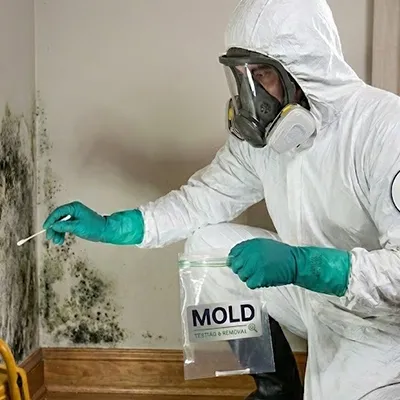
If you are seeing any of these signs, a professional mold testing & inspection is the right starting point. Using thermal imaging and moisture meters, a certified inspector can locate moisture and mold growth behind surfaces that appear completely normal, giving you a clear picture of what you are actually dealing with before spending money on remediation.
What Dallas Homeowners Should Do
Understanding why mold is so common here points directly to what prevents it.
Service your HVAC system every year before summer. Ask your technician to clean the evaporator coils, check the drain pan and line, and confirm the system is sized correctly for your home’s square footage. A well-maintained system does a significantly better job of controlling indoor humidity.
Monitor indoor humidity actively. A basic hygrometer costs around $15 at any hardware store. Keep indoor humidity between 30 and 50 percent. If it consistently runs above 60 percent, a whole-home dehumidifier is worth considering, particularly in Dallas summers.
Inspect your roofline after every significant storm. You do not need to get on the roof yourself. A pair of binoculars from the ground can reveal lifted shingles and damaged flashing. If you had hail damage, have a professional check the attic for moisture intrusion within a few days, not a few weeks.
Get a professional assessment after any water event. A slab leak, flooding, appliance failure, or roof leak that contacts building materials warrants professional moisture mapping within 48 hours. Our air quality testing can confirm whether airborne spore levels have already risen following a water event, and our remediation address the moisture source and treat surfaces to stop mold from establishing itself in the first place.
The pattern we see consistently in Dallas homes is that mold problems are not discovered at the beginning. They are discovered after weeks or months of growth, when the smell becomes impossible to ignore or the damage becomes visible. At that point the remediation job is significantly larger and more expensive than it would have been with early detection.
Frequently Asked Questions
Is mold more common in Texas than other states?
Texas consistently ranks among the higher-risk states for indoor mold due to its climate, storm frequency, and construction practices. The combination of sustained humidity, heavy rainfall, and slab foundations creates conditions that few other regions match.
What humidity level causes mold growth in Dallas homes?
Mold growth becomes likely when indoor humidity stays above 60 percent for extended periods. In Dallas summers, outdoor humidity regularly exceeds that threshold, which makes active indoor humidity control essential rather than optional.
How do slab foundations contribute to mold problems?
Slab foundations in North Texas are built on expansive clay soil that shifts seasonally. That movement creates micro-cracks over time, allowing ground moisture to migrate into flooring and wall bases. Plumbing running beneath the slab can leak undetected for months, saturating building materials from below without any visible sign at the surface.
How quickly can mold grow after a storm or leak in Dallas?
Mold can begin growing on wet building materials within 24 to 48 hours. In Dallas, post-storm humidity slows drying significantly, extending the window of mold risk well beyond what homeowners in drier climates experience.
What is the first sign of mold in a Dallas home?
A persistent musty smell in a specific area is usually the first indication, often appearing before any visible growth. In slab-foundation homes, soft or warped flooring near walls is another early sign. Mold returning to the same spot after surface cleaning almost always indicates a deeper moisture problem that has not been resolved.
Mold Testing & Removal serves Dallas-Fort Worth homeowners with professional mold inspection, air quality testing, and mold removal through our partners. Available 24/7 for emergencies. Call your local office or get a free quote online.
Ready to clear the air?
Call Philadelphia now or leave three details and we call you back within the hour, 7 days a week.
215-586-7368